The Intersection Between AI and Blockchain Technology
In the ever-evolving landscape of technological advancements, two innovations have taken center stage: artificial intelligence (AI) and Blockchain technology. Individually, they are already transforming industries and revolutionizing the way we live and work. But what happens when these powerful forces collide? The result is a synergy that holds immense potential for reshaping various sectors.
AI, with its ability to mimic human intelligence and perform tasks with incredible speed and accuracy, has found numerous applications across different fields. On the other hand, Blockchain technology provides a decentralized platform for secure transactions and transparent record-keeping. When combined, AI can enhance the capabilities of Blockchain while benefiting from its inherent security features.
In this article, we will explore the use cases of AI in Blockchain technology, delve into how these technologies converge to create new possibilities, discuss challenges that may arise in their integration process, glimpse into their future potential together, as well as examine real-world examples where they are making an impact. So, buckle up as we embark on this exciting journey at the intersection between AI and Blockchain!
The convergence of artificial intelligence (AI) and Blockchain technology is a fascinating development that holds a significant potential for various industries. AI, with its ability to process vast amounts of data and make accurate predictions, can enhance the security, transparency, and efficiency of Blockchain systems. By combining AI algorithms with the decentralized nature of Blockchain networks, organizations can create intelligent systems that automate processes, analyze complex data sets, and provide valuable insights. It is predicted that AI and Blockchain will revolutionize several industries by increasing efficiency, reducing costs, enhancing security measures, and enabling the emergence of new business models without compromising privacy or integrity.

Security
Security is a critical aspect when it comes to implementing AI in Blockchain technology. By leveraging the power of AI, Blockchain networks can enhance security measures and protect against potential threats. AI algorithms can analyze patterns and detect anomalies in real-time, enabling proactive measures to be taken before any malicious activity occurs.
One way that AI enhances security in Blockchain is through advanced authentication mechanisms. With its ability to learn from historical data, AI can identify users' behavioral patterns and detect any suspicious activities or unauthorized access attempts. This helps prevent identity theft and ensures that only authorized individuals have access to the Blockchain network.
Additionally, AI-powered encryption techniques play a vital role in securing data stored on the Blockchain. These techniques enable sensitive information to be encrypted with complex algorithms, making it virtually impossible for hackers to decipher without the proper decryption keys. The use of AI also allows for continuous monitoring of transactions and smart contracts, ensuring their integrity and protecting against fraud or tampering attempts.
Incorporating AI into Blockchain technology significantly strengthens security measures by detecting anomalies, preventing unauthorized access, encrypting sensitive data, and continuously monitoring transactions. This intersection between AI and Blockchain creates a secure environment where trust is built upon advanced technological advancements rather than relying solely on traditional security methods.

Supply Chain
Supply chain management is a critical aspect of many industries, and incorporating AI into Blockchain technology can revolutionize this process. By harnessing the power of AI, businesses can enhance supply chain efficiency, transparency, and security.
One way AI can optimize the supply chain is through predictive analytics. By analyzing historical data and real-time information from various sources, AI algorithms can anticipate demand patterns, identify potential bottlenecks or disruptions in the supply chain, and optimize inventory levels. This enables businesses to make informed decisions about production planning, procurement, and logistics to ensure timely delivery of goods or services. Additionally, Blockchain technology provides an immutable record of every transaction in the supply chain network. This creates transparency and trust among all stakeholders involved while reducing the risk of fraud or counterfeit products entering the market.
Together, AI and Blockchain offer a powerful solution for transforming traditional supply chains into smart and efficient networks that deliver enhanced value to both businesses and consumers.
Authenticity Verification
Authenticity verification is a crucial application of AI in Blockchain technology. With the rise of counterfeit products and fraudulent activities, businesses are looking for reliable ways to ensure the authenticity of their goods or services. Blockchain's decentralized nature combined with AI algorithms can provide an effective solution.
By integrating AI techniques such as image recognition and machine learning into Blockchain systems, companies can create immutable records that validate the authenticity of products at every stage of the supply chain. This allows consumers to verify the origin and quality of a product with confidence. Moreover, AI-powered authentication systems can quickly detect any discrepancies or inconsistencies, reducing the risk of fraud and ensuring trust between buyers and sellers. By combining AI and Blockchain, industries like luxury goods, pharmaceuticals, art, and more can combat counterfeiting and enhance transparency.
Data Analytics
Data analytics is another key area where the intersection of AI and Blockchain technology can have a significant impact. With the ability to securely store and analyze vast amounts of data on the Blockchain, AI algorithms can be leveraged to extract valuable insights from this data. This has the potential to revolutionize industries such as marketing, finance, healthcare, and more.
By combining AI with Blockchain technology, organizations can benefit from enhanced data analysis capabilities. Machine learning algorithms can be applied to analyze patterns within the distributed ledger, uncovering trends and correlations that may not be apparent through traditional data analysis methods. These insights can then be used to make informed decisions, optimize processes, improve customer experiences, and drive business growth. The secure nature of Blockchain ensures that sensitive data remains protected throughout the analytics process.
Integrating AI into Blockchain technology opens up new possibilities for advanced data analytics. By leveraging machine learning algorithms on a secure, decentralized network like Blockchain, organizations can unlock valuable insights from their vast stores of data. This convergence has the potential to transform industries by enabling smarter decision-making based on actionable intelligence derived from a comprehensive analysis of trustworthy data sources.

Financial Services
The intersection of AI and Blockchain has the potential to revolutionize the financial services' industry. With AI, financial institutions can leverage advanced algorithms to automate processes, improve decision-making, and detect fraudulent activities. Blockchain technology provides a secure and transparent platform for conducting transactions, ensuring data integrity, and reducing costs.
By integrating AI with Blockchain, financial services can benefit from increased efficiency in areas such as fraud detection, risk assessment and customer service. Machine learning algorithms can analyze vast amounts of data in real-time to identify patterns or anomalies that may indicate fraudulent behavior. This not only helps prevent financial losses but also enhances customer trust by providing a secure environment for their transactions.
Additionally, smart contracts powered by Blockchain technology enable the automated execution of complex financial agreements without the need for intermediaries. This reduces processing time and costs while increasing transparency and accuracy in contract management.
The combination of AI and Blockchain offers tremendous opportunities for improving operational efficiency in financial services while enhancing security measures and delivering better customer experiences.

Healthcare
Healthcare is one industry where the intersection of AI and Blockchain technology can have a profound impact. The use of AI algorithms can help in diagnosing diseases, predicting outcomes, and personalizing treatment plans for patients. By analyzing vast amounts of medical data, AI systems can identify patterns and make accurate predictions, leading to improved patient care.
Blockchain technology offers several benefits in healthcare as well. It can provide secure storage and sharing of electronic health records (EHRs), ensuring privacy and data integrity. Additionally, Blockchain can enable interoperability between different healthcare providers, allowing seamless exchange of patient information. This decentralized approach not only enhances data security but also streamlines processes such as insurance claims processing and drug supply chain management. The combination of AI and Blockchain has immense potential to revolutionize healthcare by improving diagnostics, enhancing patient care, and optimizing administrative workflows.
Transparency
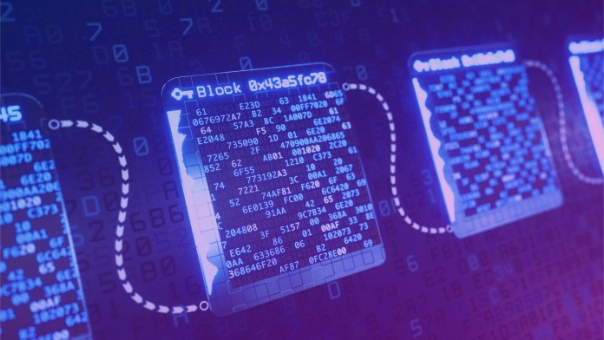
Transparency is another aspect where both AI and Blockchain technology can greatly contribute. Blockchain provides an immutable and transparent ledger that records every transaction or interaction, making it visible to all participants in the network. This ensures accountability and trust as any changes made to the data are easily detected.
AI, on the other hand, can enhance transparency by analyzing vast amounts of data quickly and accurately. It can detect patterns, anomalies, and potential fraud in real-time, providing valuable insights into the integrity of transactions. With AI's ability to process information at scale, it becomes easier to identify discrepancies or inconsistencies within the Blockchain network. By combining these technologies together, businesses can achieve higher levels of transparency across various industries such as supply chain management, finance, healthcare, and more.
Decentralized Data Storage
Decentralized Data Storage is another exciting use case of combining AI and Blockchain technologies. Traditionally, data storage has relied on centralized systems that are vulnerable to security breaches and single points of failure. However, with decentralized data storage powered by Blockchain, the data is distributed across a network of nodes, making it more secure and resistant to attacks.
Blockchain technology ensures the integrity and immutability of the stored data, while AI algorithms can be used to efficiently manage and optimize the distribution of data across the network. This combination enables the organizations to store their valuable information in a transparent and tamper-proof manner, reducing the risks associated with data breaches or manipulation. Additionally, decentralized data storage allows for increased scalability, as new nodes can easily join or leave the network without disrupting its overall functionality. With these benefits, decentralized data storage has significant potential in industries such as finance, healthcare, supply chain management, and more.

Smart Contract Development
Smart contracts are self-executing agreements with predefined rules and conditions that are stored on a Blockchain. By combining AI technology with smart contract development, businesses can automate complex processes and ensure trust and transparency in their operations.
AI can enhance the capabilities of smart contracts by enabling them to perform more sophisticated tasks. For example, AI algorithms can analyze enormous amounts of data to determine if certain conditions have been met before executing a contract. This not only reduces the risk of fraud but also improves efficiency by eliminating manual verification processes. With AI-powered smart contract development, businesses can unlock new possibilities for automation and streamline their operations like never before.
Challenges and Considerations for AI in Blockchain
Implementing artificial intelligence (AI) within the Blockchain framework comes with its own set of challenges and considerations. One challenge is the scalability of Blockchain systems, as they are often slow and have limited processing power. This can hinder the efficient execution of AI algorithms that require fast computations.
Another challenge lies in data privacy and security. While Blockchain offers immutability and transparency, it also poses concerns regarding the confidentiality of sensitive data used by AI algorithms. Safeguarding personal information while leveraging its value for AI applications requires careful consideration.
Furthermore, integrating these technologies may require significant computational resources, making it costly to implement on a large scale. Additionally, ensuring interoperability between different Blockchain networks and AI platforms presents technical hurdles that need to be addressed.
Addressing these challenges will be crucial to fully harnessing the potential of combining AI and Blockchain technology in various industries.
Conclusion
The fusion of artificial intelligence and Blockchain technology is a promising frontier that has the potential to revolutionize industries, from finance to healthcare. The use cases are vast and diverse, ranging from enhanced security measures and improved supply chain management to data analytics and streamlining financial services. Despite some challenges, the potential for this combination is immense and could shape the way we do business in the future.
Our developers at BOND'AF, specializing in AI and Blockchain, possess a unique skill set that allows them to navigate the complexities of both technologies. They understand how to integrate machine learning models into decentralized networks, enabling automated decision-making processes within Blockchain systems. These skilled individuals continuously explore new possibilities, pushing the boundaries of what is achievable with AI on the Blockchain. With their expertise in programming languages like Python, Solidity, and C++, our developers can create innovative applications that leverage AI to enhance Blockchain functionality.